Binoculars or Naked Eye for a First Look?
Binoculars or naked eye: choose a comfortable first view, spot why details are hard to see, and know when to set the glasses aside.
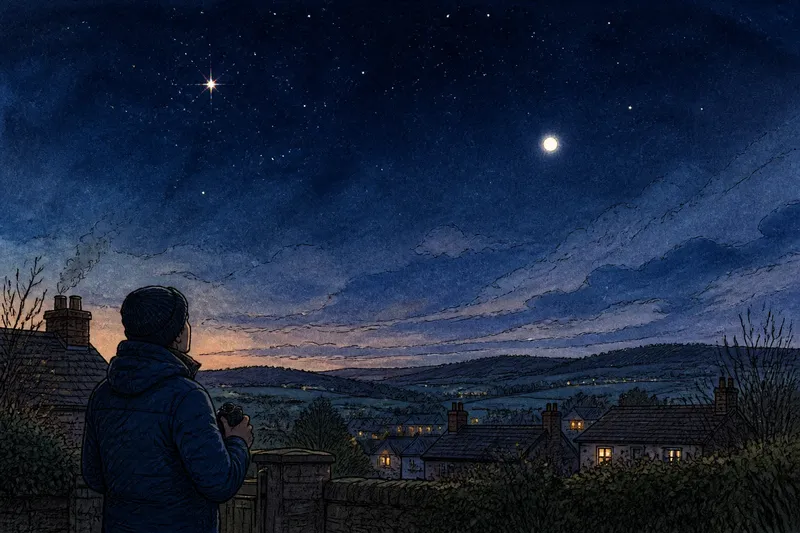
The most common first-night mistake is reaching for binoculars before finding the target with your eyes alone. The view can become a small, shaking patch of sky, and the effort of searching may cost you the pleasure of simply looking up. For a first look, binoculars or naked eye is not a contest: each reveals a different kind of sky, and the best choice depends on what is making the view difficult.
Start with the widest view you can use
Your unaided eye takes in a broad stretch of sky at once. That makes it easier to notice how a bright star sits among its neighbours, follow a familiar pattern, or watch clouds drift across the field. You do not have to aim an instrument or hold a narrow view steady. If you are still learning where to look, this broad context is useful in itself.
Binoculars show a smaller portion of the sky, but gather more light and make some close groupings and faint stars easier to distinguish. The exact field depends on the binoculars, so check the field-of-view marking or instructions for your model rather than assuming all pairs show the same amount. Even a relatively broad binocular view is narrower than the open sky around you.
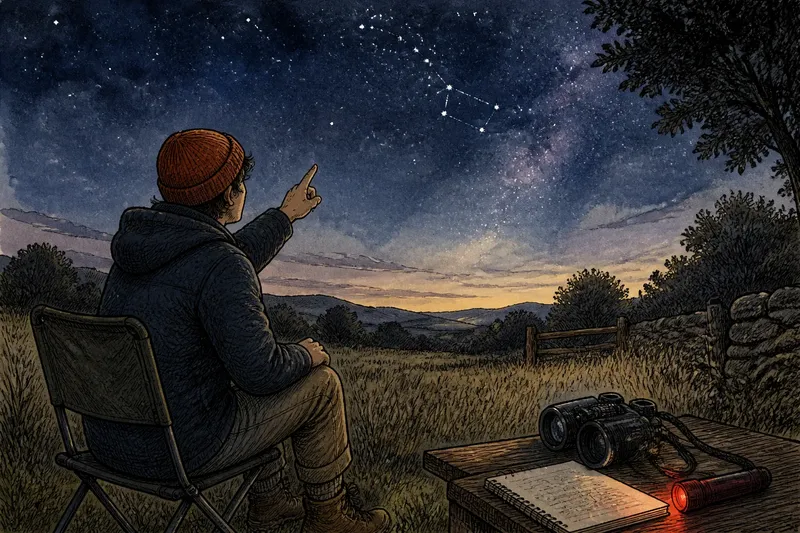
Try a simple sequence: look unaided first, identify a bright landmark, then bring the binoculars to your eyes while keeping your gaze on that landmark. This avoids turning the instrument into a searching device. If the target slips away, lower the binoculars, reacquire it with your eyes and try again.
When the sky looks empty, check your eyes before blaming the sky
A beginner may look at a dim region and see little beyond a few bright stars. Often the eyes are still adjusting after exposure to a phone screen, porch light or car headlights. Give yourself time in a darker spot, turn the screen brightness down, and use a dim red light only if you need to see your notes or footing. A red screen is not automatically harmless to night vision if it is bright.
Binoculars can help with faint stars, but they cannot remove glare from a nearby lamp or make clouds transparent. If the view is washed out, shift your position behind a building or hedge where that is safe, or choose a darker direction. Keep the unaided view as your reference; it tells you whether the problem is the instrument or the conditions around you.
Do not expect binoculars to make every object look dramatic. Many celestial sights remain subtle, and the impression can be more about a pattern becoming clearer than about a large, bright object appearing. If the target remains indistinct, return to a brighter or more obvious part of the sky rather than straining at a doubtful patch.
If the binocular view shakes, make the setup easier
Handheld binoculars magnify small movements along with the view. A target that looks steady to your eyes can wobble when magnified, especially if you hold your arms out or tense your shoulders. Sit in a stable chair, support your elbows on your chest or a cushion, and keep your grip relaxed. A fence or table can steady your arms if it is conveniently placed and does not put you in an awkward position.
Check that the eyecups and focus suit your eyes. If you wear glasses, follow the binocular maker’s guidance on whether to fold the eyecups down; the wrong position can make the edges of the view hard to see. Adjust the central focus and any dioptre control slowly while looking at a bright, stationary target. If the two images do not seem to merge comfortably, stop and consult the instructions rather than forcing your eyes to compensate.
Imagine you have found a bright star but see two restless points through the binoculars. You sit down, rest your elbows on your knees and focus again on that star; the expected result is a calmer image that is easier to examine, not a change in what the star is. If the view still feels uncomfortable, put the binoculars down and continue unaided.
When you keep losing the target, widen the search
Aiming binoculars directly at a faint target is difficult because the field is limited and the sky offers few obvious guideposts. Find a bright nearby star with your unaided eyes first. Raise the binoculars without shifting your gaze, then make small, deliberate adjustments. Large sweeps often carry the target out of view before you have a chance to recognise it.
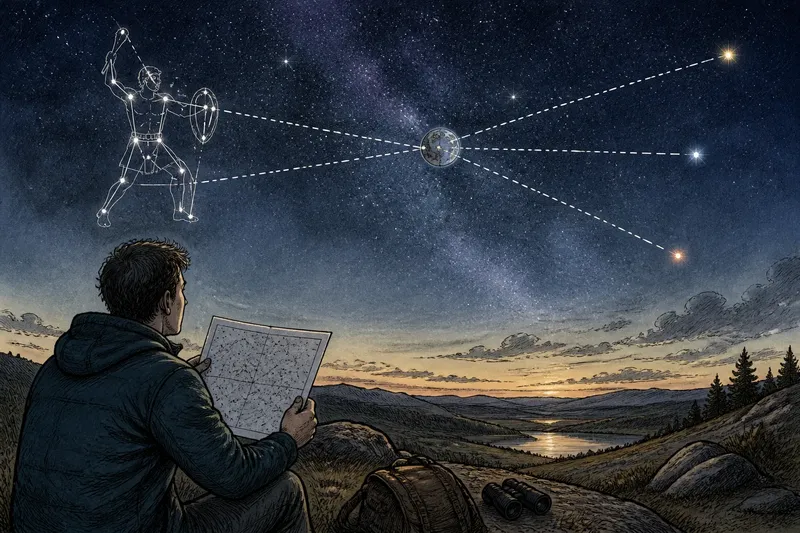
For a region with several bright stars, use the naked-eye pattern as a map rather than relying on an app alone. A phone can help identify a direction, but its bright display may make it harder to see the sky afterwards. Check the screen before you step outside, then dim or turn it away as you look up.
If you cannot keep the landmark in the binocular field, the instrument may not be the right tool for that part of the search. Return to naked-eye observing, trace the pattern slowly, and try the binoculars only once the view is centred. It is not worth spending the whole session sweeping blindly or buying a heavier pair simply because the first attempt felt awkward.
Choose the view for the detail you want
Naked-eye observing is strongest for broad arrangements: the shape of a constellation, a bright planet’s place among the stars, or the way the sky changes as you turn your head. It also leaves both hands free and makes it easier to share a view with someone beside you. Its limitation is that faint stars and close groupings may blend together.
Binoculars are useful when you want to separate more stars in a crowded region or inspect a bright object without the complexity of a telescope. They remain portable and quick to bring to your eyes, but their narrower field and magnified movement ask for a steadier hold and more careful aiming. They do not replace learning the larger pattern around the target.
A sensible first choice is therefore conditional. Begin unaided when you are orienting yourself, sharing the view, or following a broad pattern. Bring out binoculars when you have a clear landmark and want to inspect detail that your eyes cannot comfortably resolve. Put them aside if the view is unsteady, uncomfortable or hard to locate.
What beginners ask about binoculars and naked-eye viewing?
Can I start stargazing without binoculars?
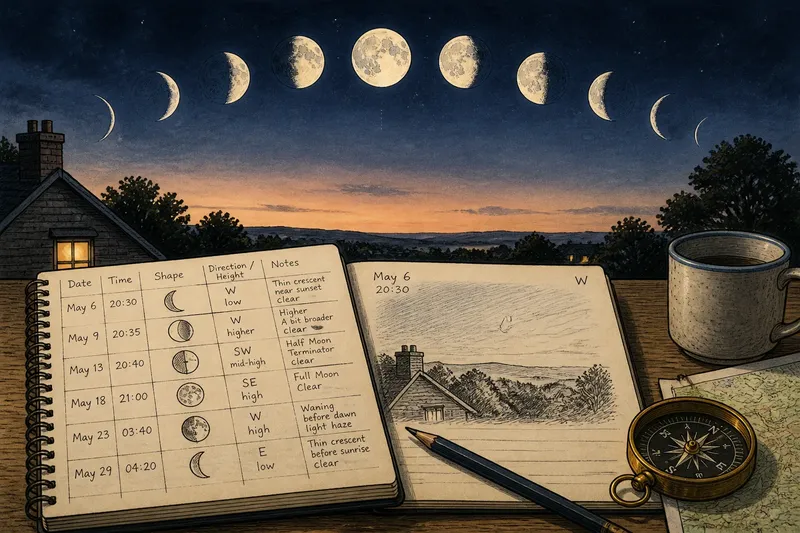
Yes. Your eyes are enough to learn bright star patterns, notice the Moon’s place in the sky and practise locating objects. Binoculars are an option for added detail, not an entry requirement.
Are binoculars easier than a telescope for a beginner?
They are often simpler to carry and point, but ease depends on the target and the person using them. Their field is still narrower than unaided vision, and hand movement can make a magnified view difficult to hold steady.
Why do I see fewer stars through binoculars at first?
You may be looking at a different patch of sky because the field is narrow, or the image may be out of focus or moving. Centre a bright landmark, settle your arms and adjust focus before judging how much detail is visible.
Should I use binoculars to look at the Sun?
No. Never point binoculars at the Sun or look at it through them; concentrated sunlight can cause severe eye injury. Keep binoculars directed away from the Sun, including when it is near the horizon.
Let the naked-eye view remain part of the session
The binoculars-or-naked-eye choice is most useful when it follows a question: do you need a broad sense of direction, or a closer look at a particular patch? Start with the broad view, bring in the instrument for a reason, and return to unaided seeing when the detail stops helping. That habit makes the sky easier to read and leaves room for the simple pleasure of looking up without equipment.
Before choosing or adjusting binoculars, follow the maker’s instructions for focus, eyecups and care; avoid any use that could put your eyes or footing at risk. For an ordinary first evening, though, no special kit is needed. A clear view of the sky and a little patience are enough to begin.